

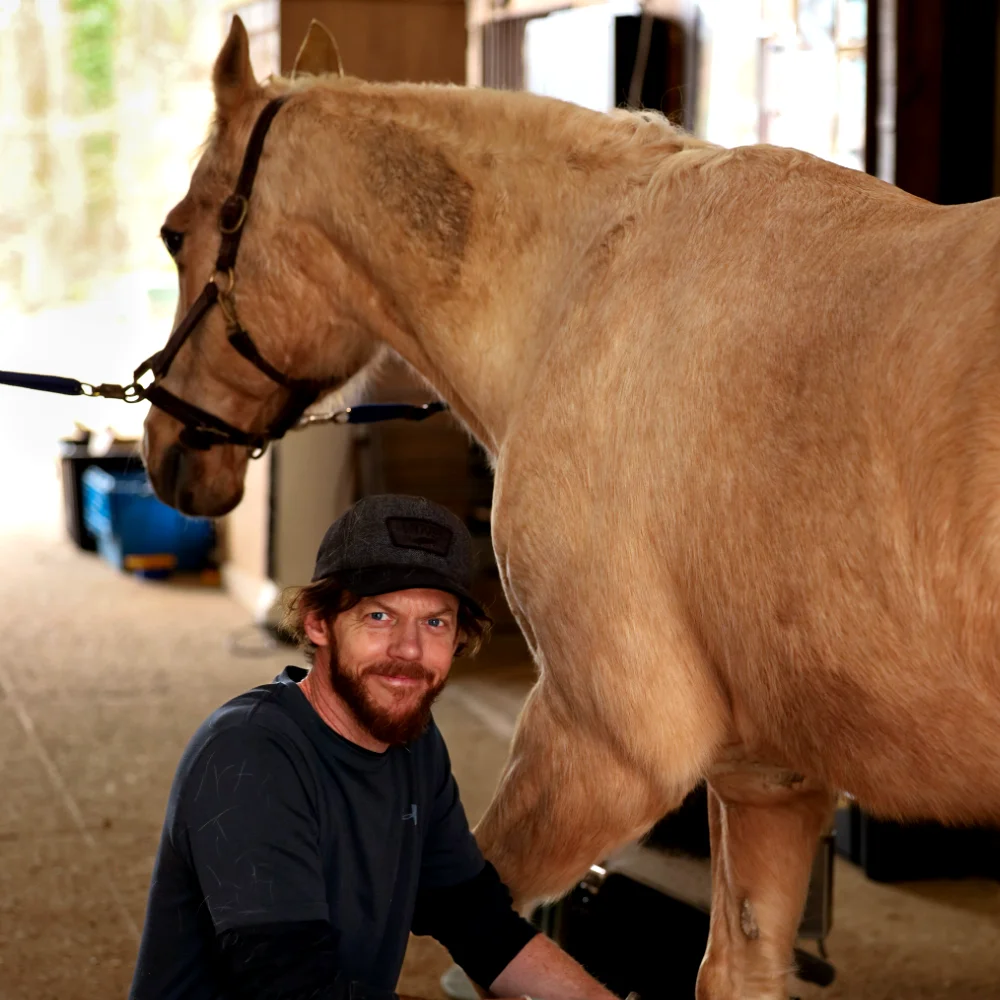
Farrier care for equines in equine-assisted services (EAS) programs is crucial to keeping these equines healthy, comfortable and sound in their work. In programs where equines are asked to provide steady, reliable movement for riders of varying abilities, proper hoof care is not optional—it is essential. Without it, equines may develop lameness, compensatory movement patterns, behavioral issues and long-term joint stress that can ultimately limit their ability to participate safely in the program.
Selecting a farrier is one of the most important decisions an EAS program can make. A knowledgeable farrier looks beyond the hoof wall and evaluates the equine as a whole. This includes observing weight distribution, analyzing how the equine moves through their body, and identifying changes or inconsistencies in gait patterns. These details provide critical insight into overall soundness and allow the farrier to make informed decisions that support both comfort and longevity.
A skilled farrier should be able to assess how each hoof lands, how weight is distributed across the limbs, and how the equine’s conformation influences movement. In many EAS equines who are often older, have prior injuries, or unique conformational needs, this level of awareness is especially important. Proper trimming or shoeing can help support balance, reduce strain and improve the equine’s ability to perform effectively in sessions.
When choosing a farrier, professionalism and a commitment to continued education should be high on the list of priorities. A good farrier will pursue certifications, stay current with industry knowledge, and remain open to evolving practices. Hoof care is not a one-size-fits-all approach, and the best farriers are those who are always learning and adapting to better serve the equines in their care.
Seeking referrals from other barns, trainers, veterinarians and fellow EAS programs is an excellent place to start. These recommendations can provide insight not only into the farrier’s technical skill, but also their reliability, communication style, and overall professionalism. Finding the right fit for your program is about more than skill alone—it is about selecting someone who aligns with your standards of care and understands the unique demands of your equine workload.
Collaboration is another key quality to look for. Farriers who are willing to work alongside veterinarians, instructors and even other farriers, demonstrate a commitment to providing the best possible care. A farrier who seeks second opinions or discusses complex cases does not show weakness, but rather a dedication to learning and problem-solving. In EAS settings, where equines often have complex histories or specialized needs, this team-based approach is invaluable.
While selecting the right farrier is critical, being a good client is equally important in maintaining a successful and productive relationship. The quality of care that equines receive is directly influenced by how well the client supports their farrier in their work.
- Preparation is one of the simplest and most impactful ways to set a farrier up for success. Equines should be caught, clean and dry prior to the appointment. Providing a safe, well-lit and level work area allows the farrier to focus fully on the task at hand. Minimizing delays and distractions not only shows respect for their time but also contributes to a smoother and safer experience for everyone involved.
- Safety should always be a top priority. Equines should be trained to stand quietly and comfortably for hoof care. If an equine has behavioral challenges or sensitivities, it is important to communicate this ahead of time and have a plan in place. This may include having an experienced handler present or scheduling additional time for the appointment. Clear communication helps prevent unsafe situations and builds trust between you and your farrier.
- Consistency in scheduling is another essential component of good hoof care. Regular trimming and shoeing cycles help maintain proper balance and prevent issues from developing. Waiting too long between appointments can lead to discomfort, imbalance, and even lameness—ultimately impacting your program and the equine’s well-being. Staying organized and proactive with scheduling ensures equines remain comfortable and able to perform their roles.
- Open and respectful communication is the foundation of a strong working relationship. Sharing observations about an equine’s movement, behavior or changes in performance can provide valuable information for your farrier. At the same time, it is important to trust their expertise and remain open to their recommendations. A collaborative approach leads to better outcomes and supports the overall health of your equines.
- Finally, professionalism matters. Prompt payment, clear expectations, and mutual respect go a long way in building a long-term partnership. Farriers are skilled professionals whose work directly impacts the soundness and success of your program. Treating them as valued members of your equine care team fosters a positive relationship that benefits everyone, especially your equines.
In EAS programs, our equines give so much of themselves to support our riders. Providing them with consistent, thoughtful hoof care is one of the most important ways we can support them in return. By choosing a knowledgeable, collaborative farrier and being a prepared, respectful client, you create a foundation for soundness, longevity and success within your program.
By Sarina Dalton
Equine Welfare Committee tips sponsored by Zoetis, Official Equine Health & Wellness Partner of PATH Intl.
SOURCES:
- How to Choose a Farrier You Can Trust — Emphasizes evaluating biomechanics, gait, conformation, and the farriers contributing to overall soundness and long-term comfort.
- Selecting a farrier for your horse — Highlights client responsibilities such as preparing horses, maintaining safe working conditions, scheduling consistently, and paying promptly.